
New Global Research Initiative to Transform Alcohol Industry Waste into Regenerative Soil Solutions
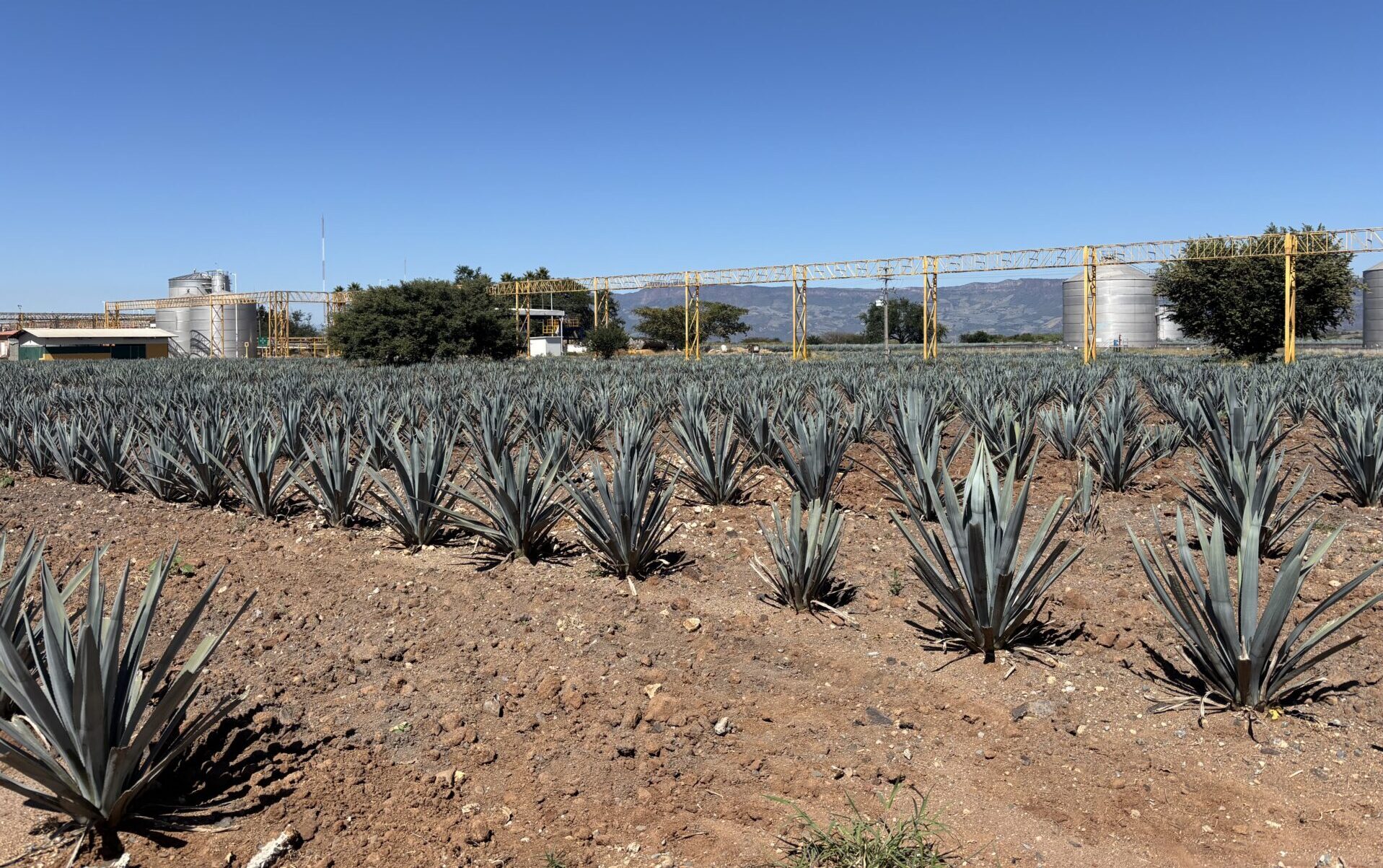
An ambitious new international project aims to convert waste from the global alcohol industry into valuable, sustainable agricultural resources.
water@leeds Associate Director Professor Laura Carter (School of Geography) working with Dr Carlos Moreno-García and Dr John Brown from Robert Gordon University have secured funding from the Natural Environment Research Council (NERC) to lead SABER: Sustainable Alcohol By-product Enhancement for Regenerative Soils (2025-2027).
Bringing together experts from the United Kingdom, Mexico, New Zealand, and Spain, along with representatives from major global alcohol producers, the project seeks to strengthen international cooperation in sustainable resource management and advance a circular economy approach that crosses borders.
The alcohol industry generates enormous quantities of organic waste each year. In the tequila sector alone, more than 600,000 tonnes of bagasse and 1.5 million litres of vinasses are produced annually—materials that often end up underutilised or disposed of in ways that contribute to environmental degradation. With regulatory pressures tightening and soil degradation threatening agricultural productivity worldwide, demand is growing for sustainable alternatives that offer both ecological and economic benefits.
Transforming Waste into Opportunity
SABER aims to transform alcohol production waste from a disposal challenge into a valuable resource for regenerative agriculture. The project will:
- Investigate organic soil amendments derived from alcohol production waste, including biochar and compost
- Address key knowledge gaps around how different waste types impact soil health under varying climates and agricultural systems
- Identify industry-specific barriers to adopting waste valorisation practices
- Develop scalable, practical solutions for integrating waste-derived materials into sustainable farming
The UK’s strong foundation in soil science will be complemented by the international team’s expertise in alcohol production, waste management, and climate-specific agricultural practices. Through co-produced experimental trials and cross-regional assessments, the consortium will integrate waste characterisation, microbial ecology, composting technologies, life cycle analysis, and sustainable business models into a unified research framework.
Global Industry Support
To ensure real-world impact, the project has secured partnership and support from key industry stakeholders across multiple sectors, including:
- Mexican Chamber of the Tequila Industry
- Grupo Trabanco (cider)
- Hawkes Bay wine producers
These partners will collaborate on workshops, joint publications, and engagement activities to ensure research outcomes align with industry needs and support long-term innovation.
Driving Environmental and Economic Impact
By unlocking sustainable pathways for waste valorisation, the project aims to generate far-reaching benefits:
- Reduced waste disposal costs and new revenue pathways for industry
- Improved soil health and crop yields, reducing dependence on synthetic fertilisers
- Lower greenhouse gas emissions and reduced pollution from waste disposal
- Evidence-based models to inform regulatory policy and promote industry-wide sustainable practices
A Turning Point for the Global Alcohol Industry
Professor Carter said:
The alcohol industry is at a critical juncture where sustainable waste management must become a priority. Through SABER, we aim to turn waste into opportunity—supporting industry innovation, strengthening agricultural resilience, and creating lasting environmental benefits.
By fostering international collaboration and applying cutting-edge research, SABER aims to drive a paradigm shift towards a more sustainable, resilient, and environmentally responsible alcohol production sector.
For more information contact Professor Laura Carter: [email protected].
Photograph by Laura Carter at a Tequila Production Site.